
Call Now

What Size Generator Do You Need for Your Home in Dripping Springs, TX
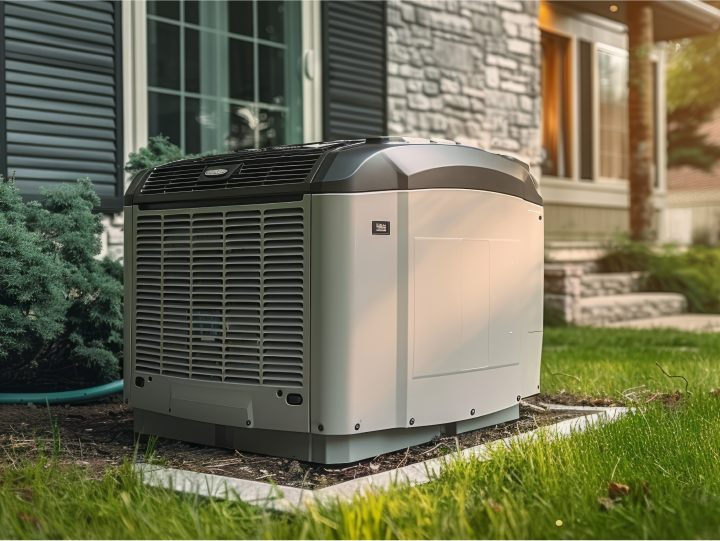
What Size Generator Do You Need for Your Home in Dripping Springs?
Power outages are a reality in the Texas Hill Country. Whether caused by severe storms, extreme heat, or grid instability, losing power can quickly disrupt your home and daily routine. That’s why many homeowners are turning to backup generators. One of the most important questions to answer before installing a generator is simple: what size generator do you actually need?
Choosing the right generator size for your home in Dripping Springs, West Austin, and surrounding Hays and Travis County areas depends on your home’s electrical demands, lifestyle, and how much of your home you want powered during an outage. Choosing the right size ensures reliability, efficiency, and long-term value. This guide will walk you through everything you need to know to make the right decision—and avoid costly mistakes.
Why Generator Size Matters
Generator size directly affects how well your system performs during an outage. If the generator is too small, it won’t be able to handle your electrical load, which can lead to system overload or failure to power essential appliances. If it’s too large, you may end up overspending on equipment and fuel without gaining meaningful benefits.
A properly sized generator will:
- Keep essential systems running without interruption
- Protect appliances from power issues
- Operate efficiently
- Provide long-term reliability
Step 1: Decide What You Want to Power
The first step is deciding how much of your home you want to power during an outage. Most homeowners fall into one of two categories: essential backup or whole-home backup.
If you only want to keep basic systems running—such as your refrigerator, lights, internet, and a few outlets—you can typically get by with a smaller generator. These systems are designed to maintain minimal comfort and functionality during shorter outages.
On the other hand, if you want your home to operate normally, including air conditioning, water heating, and major appliances, you’ll need a much larger system. Whole-home generators are the most popular choice in Dripping Springs because outages can last longer and temperatures can become extreme.
Step 2: Understand Your Power Needs
Every appliance in your home uses a certain amount of electricity. Some, like lights and electronics, require relatively little power. Others, like air conditioning systems and water heaters, require significantly more.
For example, a refrigerator may use around 600 to 800 watts, while a central air conditioning system can require several thousand watts to operate. Large appliances also need additional power when they first start up, known as surge or starting watts.
Because of this, it’s important to calculate not just your total running power, but also the additional demand created when systems turn on. This is where many homeowners underestimate their needs.
Why Generator Sizing Is Different in Dripping Springs
Homes in Dripping Springs and the surrounding Hill Country often have higher electrical demands than average. Many properties are larger, include additional systems like well pumps, or have been upgraded with modern features such as electric vehicle chargers and smart home technology.
Weather is another major factor. Texas summers place heavy demand on air conditioning systems, and storms can cause extended outages. These conditions make it especially important to choose a generator that can handle both everyday use and peak demand.
Common Generator Sizes for Homes
Generators are typically measured in kilowatts (kW), and different sizes are suited for different types of homes.
Smaller generators are often used for essential backup and are better suited for limited power needs. Mid-sized generators are capable of supporting most household systems, including air conditioning. Larger generators are designed for full-home coverage and can handle high-demand homes with multiple large appliances.
For many homes in the Texas Hill Country, a mid-to-large size generator provides the best balance between performance and cost. The right generator size for most homes in Dripping Springs, TX is typically between 18kW and 26kW depending on energy usage.
Mistakes to Avoid When Choosing a Generator
One of the most common mistakes homeowners make is choosing a generator that is too small. This can result in frequent overloads and prevent key systems from running when you need them most.
Another mistake is failing to plan for future needs. If you’re considering adding an electric vehicle charger, upgrading your HVAC system, or expanding your home, those changes will increase your electrical demand. It’s important to factor in future upgrades when selecting a generator.
Homeowners should also consider the condition of their electrical panel. An outdated or undersized panel may not be able to support a new generator system. If you’re unsure, it’s worth reviewing our related blog, “Do You Need an Electrical Panel Upgrade? Warning Signs to Watch,” to understand whether your system is ready.
Portable vs. Standby Generators
There are two main types of generators to choose from: portable and standby.
Portable generators are less expensive and can be useful for short-term or occasional use. However, they require manual setup, provide limited power, and are not designed to run an entire home.
Standby generators, on the other hand, are permanently installed and automatically turn on when the power goes out. They can power most or all of your home and are the preferred option for homeowners who want convenience and peace of mind.
In areas like Dripping Springs, where outages can be unpredictable, standby generators are typically the better long-term solution.
What Size Generator Is Right for Most Homes?
While every home is different, many homeowners in Dripping Springs find that a mid-range to larger generator meets their needs. These systems are capable of powering major appliances, including air conditioning, while still leaving room for future upgrades.
Ultimately, the right size depends on your specific home and how you plan to use the generator. A professional assessment is the best way to ensure accuracy.
Why Professional Sizing Is Important
Choosing the right generator involves more than just estimating your usage. A proper load calculation takes into account your home’s layout, electrical system, and usage patterns. It ensures your generator is neither undersized nor oversized.
Working with a licensed electrician like PowerMeans Electric also ensures your system meets local codes and permit requirements in Hays and Travis County.
Helpful Resources
If you’re researching backup power and electrical upgrades, you may also find these articles helpful on our blog:
- How Much Does an Electrician Cost in Dripping Springs
- Whole Home Surge Protection: Is It Worth It in Texas
- How to Prepare Your Home for Texas Storm Season
These guides can help you better understand your home’s electrical needs and how to protect it year-round.
Contact PowerMeans Experts to Help Choose the Right Generator
Choosing the right generator doesn’t have to be complicated, but it does need to be done correctly. Every home is different, and a professional evaluation ensures you get a system that meets your needs today and in the future.
PowerMeans Electric provides expert generator installation services throughout Dripping Springs, West Austin, Hays County, and Travis County. Our team will assess your home, recommend the right size generator, and handle the entire installation process.
If you’re ready to protect your home from the next outage, contact PowerMeans Electric today to request a quote or schedule a consultation.
Frequently Asked Questions
What size generator do I need for a typical home?
Most homes require a mid-to-large size generator, depending on whether you want to power just essentials or the entire home.
Can a generator run my whole house?
Yes, if it is properly sized. Whole-home generators are very common in the Dripping Springs area.
How much does a generator cost?
Costs vary depending on size and installation complexity, but most systems range from several thousand dollars to over ten thousand.
Do I need a permit for installation?
Yes, most generator installations in Hays and Travis County require permits and inspections.
How long can a generator run during an outage?
Standby generators can run as long as they have a fuel source, such as natural gas or propane.
Is a generator worth it in Texas?
For many homeowners, the answer is yes. Frequent storms and high temperatures make backup power a valuable investment.
Need help with this?
Our licensed electricians can handle your wiring and safety needs safely.
Have an Emergency?
Don’t risk DIY on dangerous electrical issues. We are available 24/7.
(737) 263-5823
Licensed & Insured