
Call Now

Do I Need a Panel Upgrade for an EV Charger in Austin & Dripping Springs?
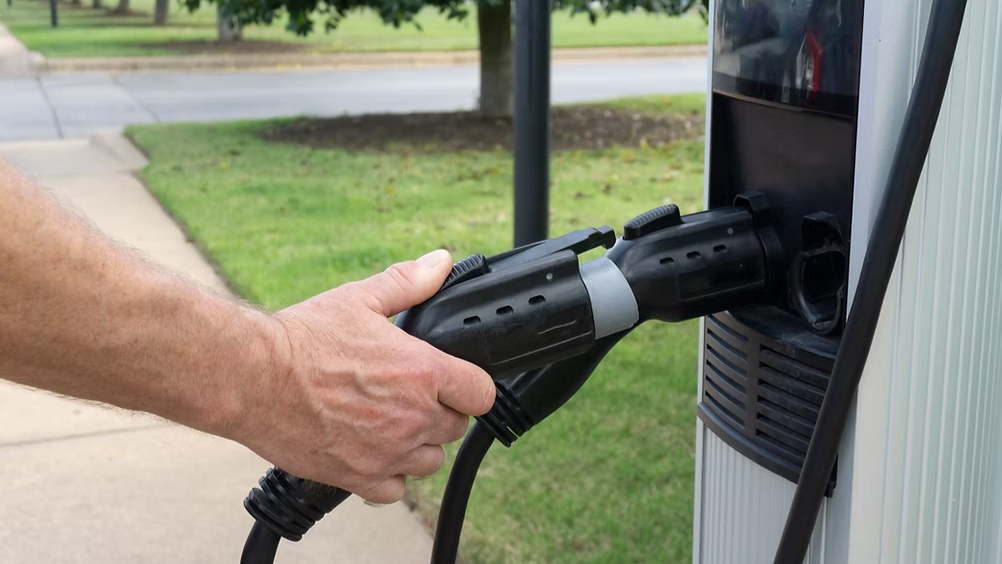
Do I Need a Panel Upgrade for an EV Charger in Austin & Dripping Springs?
Electric vehicles are becoming increasingly popular across the Texas Hill Country, and many homeowners in Austin and Dripping Springs are installing home EV chargers for convenience and faster charging. Many questions come up in the process, but a frequently asked question is whether homeowners need a panel upgrade. But before installing a Level 2 charger, one critical question often comes up:
Do you need a panel upgrade for an EV charger?
The answer depends on your home’s electrical capacity, existing energy use, and whether your current panel can safely support additional load. Understanding how your electrical system works—and how electricians determine panel requirements—can help you make an informed decision before scheduling an installation.
In this guide, we’ll walk through the signs your panel may need an upgrade, how electrical load calculations work in greater Austin, and what homeowners in Travis and Hays County can expect when adding EV charging to their homes.
Signs Your Home May Need a Panel Upgrade for Your EV Charger
Many homes in Austin were built before electric vehicles were common, which means the electrical system may not have been designed to support the extra demand of EV charging.
Here are several signs your home may need a panel upgrade for an EV charger:
1. Your home has a 100-amp electrical panel
Older homes often have 100-amp panels. While this was sufficient for typical appliances decades ago, adding an EV charger can push the system beyond its safe capacity.
Most electricians recommend a 200-amp panel when installing Level 2 chargers.
2. Your panel is already full
If your breaker box has no available breaker slots, installing a new EV circuit may require upgrading or replacing the panel.
3. Lights flicker when large appliances run
Flickering lights or voltage fluctuations can indicate the panel is already near its electrical limit.
4. Your home uses many high-demand appliances
Homes with electric HVAC systems, electric water heaters, induction ranges, hot tubs, or pool equipment often require additional capacity.
5. Your panel is older or outdated
Panels over 30 years old may not meet modern electrical standards and could struggle to handle EV charging loads safely.
A licensed electrician can determine whether your existing system can support EV charging or if a panel upgrade is the safest option.
How Panel Capacity Impacts EV Charging Performance
The size of your electrical panel directly affects how efficiently your EV charger can operate.
Most homeowners install Level 2 chargers, which typically require a 240-volt circuit and draw between 32 and 60 amps.
If your panel does not have sufficient capacity, several issues can occur:
- Breakers may trip during charging
- Charging speeds may need to be reduced
- Other appliances may experience power interruptions
- Electrical components may overheat
This is why electricians perform an electrical load calculation in Austin or Dripping Springs before installing a charger. The calculation determines how much electrical demand your home already has and whether your panel can safely accommodate the additional load.
Homes with a 200-amp panel typically have enough capacity for EV charging, but that isn’t always guaranteed. Larger homes with multiple electric appliances may still require system upgrades.
When evaluating EV charger installation, electricians consider:
- Existing circuits and appliances
- HVAC systems and electric heating
- Kitchen appliances
- Water heaters
- Laundry equipment
- Future electrical upgrades
Planning ahead ensures your electrical system can support not just your EV charger—but future home upgrades as well.
For more details about installation and charger types, homeowners can explore our EV charger installation guide.
How a Licensed Electrician Assesses Your Panel
Before recommending a panel upgrade for an EV charger, a licensed electrician like PowerMeans Electric will conduct a detailed evaluation of your electrical system.
The process typically includes:
1. Electrical Load Calculation
Electricians use National Electrical Code (NEC) guidelines to determine total electrical demand within the home.
This electrical load calculation in Austin and Dripping Springs accounts for:
- Square footage
- Fixed appliances
- Heating and cooling systems
- EV charging demand
- General lighting and outlet circuits
2. Panel Capacity Inspection
The electrician will inspect the breaker panel to determine:
- Current service amperage
- Available breaker space
- Wiring condition
- Grounding and bonding compliance
3. EV Charger Requirements
Different EV chargers require different amperage levels.
For example:
- 32-amp chargers require a 40-amp breaker
- 48-amp chargers require a 60-amp breaker
The electrician determines which charger size your panel can support safely.
4. Utility Service Evaluation
In some cases, the electrical service from the utility company may also need upgrading to support higher amperage.
After the evaluation, the electrician will recommend the safest and most cost-effective solution.
You can learn more about residential electrical upgrades on the PowerMeans residential services page.
Integrating EV Charging with Other Home Electrical Needs
EV chargers are just one piece of a growing home energy ecosystem.
Modern homes increasingly rely on electricity for:
- Heat pumps
- Electric water heaters
- Solar panels
- Battery storage
- Smart home systems
- Electric cooking appliances
Because of this, many homeowners choose to upgrade their electrical panels proactively when installing EV chargers.
A 200-amp panel provides the flexibility to support future electrical upgrades without requiring additional service work later.
In fast-growing areas like Austin and Dripping Springs, many new homes are already being built with higher electrical capacity to accommodate EV charging and renewable energy systems.
Planning ahead ensures your home’s electrical infrastructure keeps pace with evolving energy demands. Contact PowerMeans Electric today to learn more!
FAQ: EV Chargers and Panel Upgrades
How do I know if my panel is sufficient for an EV charger?
The only way to know for sure is through a professional electrical load calculation. An electrician evaluates your home’s existing electrical demand and determines whether your panel has enough available capacity to support an EV charger safely.
Homes with a 200-amp panel often have sufficient capacity, but factors like electric heating, hot tubs, or multiple large appliances may still require upgrades.
Older homes may also need electrical code updates during the upgrade process.
Can I install a charger without a panel upgrade?
Yes, in many cases you can install an EV charger without upgrading the panel—especially if your home already has a 200-amp electrical service and available breaker capacity.
However, if your electrical load calculation shows the system is near capacity, a panel upgrade may be required to prevent overloads and maintain safe operation.
How long does a panel upgrade take?
Most residential panel upgrades can be completed in one day, although permits and inspections may add additional scheduling time.
Power is typically shut off for several hours during the installation.
Is a panel upgrade worth it if I plan to buy an EV later?
Yes. Upgrading your panel in advance can simplify future EV charger installation and help prepare your home for additional electrical upgrades such as solar panels, battery storage, or electric appliances.
If you’re considering installing an EV charger in Austin or Dripping Springs, having a licensed electrician evaluate your panel is the safest first step. With the right electrical capacity in place, you can enjoy faster charging, improved safety, and a home ready for the future of transportation. 🚗⚡
Need help with this?
Our licensed electricians can handle your wiring and safety needs safely.
Have an Emergency?
Don’t risk DIY on dangerous electrical issues. We are available 24/7.
(737) 263-5823
Licensed & Insured