
Call Now

How Do Generators Work When the Power Goes Out? 5 Key Facts
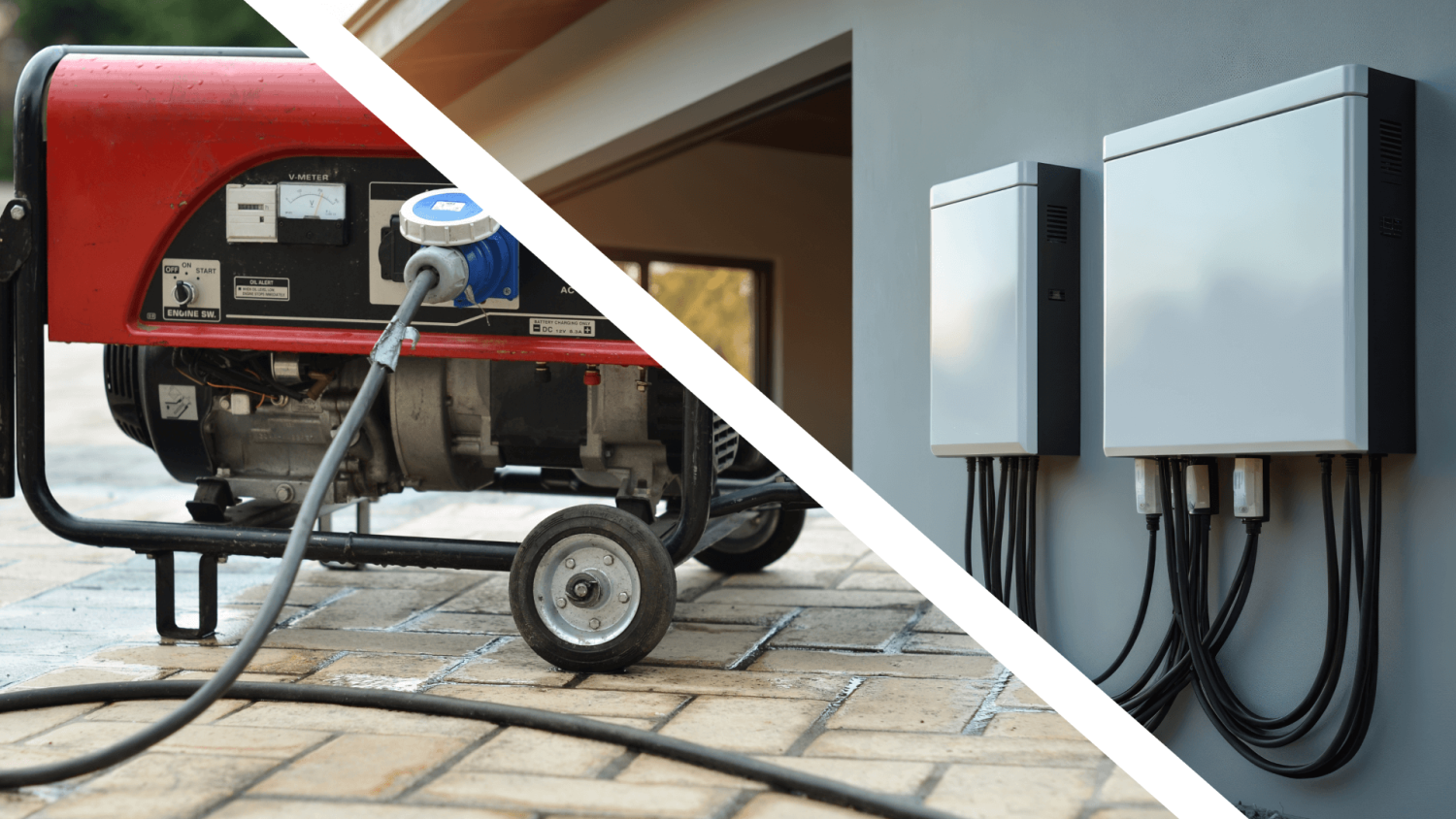
How Do Generators Work When the Power Goes Out?
When the lights go out, a generator can feel like a modern miracle. But have you ever stopped to wonder how generators work when the power goes out? Whether you’re using a portable model or a whole-home standby system, understanding how it functions helps you make the most of your investment — and ensures your home stays safe.
At PowerMeans Electric, we install and service generators for homeowners across Dripping Springs and the Texas Hill Country. Here are five key facts that explain exactly how generators keep your home powered during an outage.
1. They Detect a Power Interruption Automatically
Modern standby generators are designed to sense utility power loss within seconds. When an outage occurs, your generator automatically starts up and begins producing electricity — no need to manually flip a switch or head outside.
This automatic transfer is made possible through a transfer switch, which separates your home from the utility grid while routing generator power safely into your home’s circuits.
2. They Create Power Using a Combustion Engine
A generator doesn’t “store” electricity — it creates it. Most home systems use natural gas, propane, or diesel to power a combustion engine that drives an alternator. The alternator converts mechanical energy into electrical energy, producing usable power for your home’s appliances and systems.
3. They Power Essential Circuits or Your Entire Home
Depending on your setup, generators can either power specific essential circuits (like lights, fridge, and HVAC) or your entire electrical panel. Whole-home systems are sized based on your energy demand and can run everything from security systems to electric ranges.
If you’re not sure what size you need, PowerMeans Electric can help you determine the right generator for your home’s power requirements.
4. They Shut Down Automatically When Power Returns
Once your utility power is restored, the transfer switch seamlessly shifts your electrical system back to the grid. The generator then shuts off automatically, ready to go the next time you need it. This hands-free process is what makes standby systems ideal for homeowners who want peace of mind without hassle.
5. Regular Maintenance Keeps Them Reliable
Even the best generators need occasional maintenance. Routine oil changes, filter replacements, and system tests ensure your generator performs at its best when it’s needed most. Professional servicing can also extend your system’s lifespan.
Stay Powered and Protected
Understanding how generators work when the power goes out helps homeowners appreciate just how valuable they are during Texas storms and grid outages. From automatic detection to safe power transfer, these systems provide reliable protection when you need it most.
For installation or servicing, contact PowerMeans Electric — your trusted local experts for generator and electrical solutions in Dripping Springs.
Need help with this?
Our licensed electricians can handle your wiring and safety needs safely.
Have an Emergency?
Don’t risk DIY on dangerous electrical issues. We are available 24/7.
(737) 263-5823
Licensed & Insured