
Call Now

EV Charger Installation in West Austin & Dripping Springs: 2026 Homeowner Guide
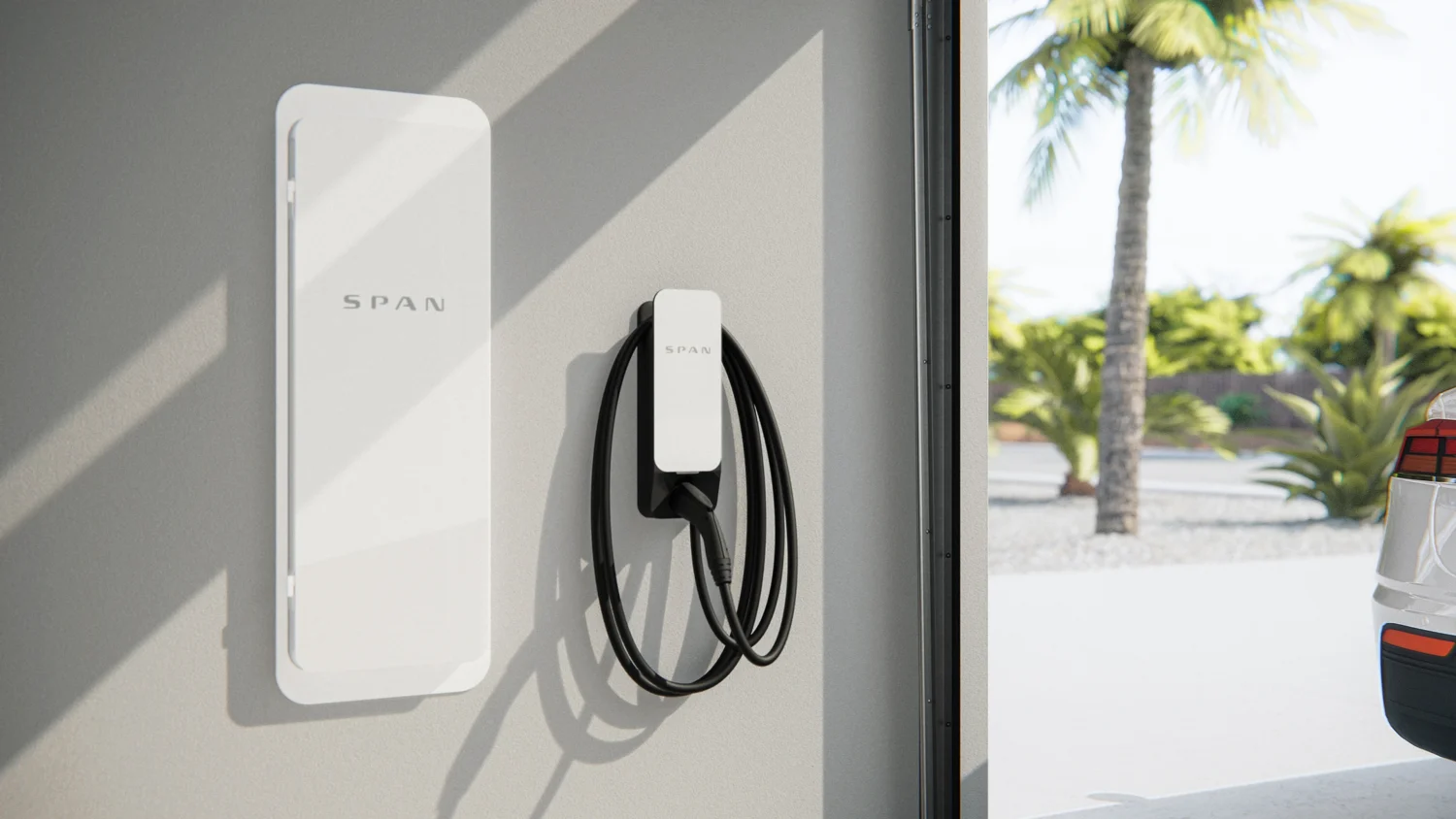
EV Charger Installation in West Austin & Dripping Springs: 2026 Homeowner Guide
As electric vehicles become more common across West Austin and Dripping Springs, more homeowners are realizing that public charging alone isn’t enough. Installing a Level 2 home EV charger provides faster charging, greater convenience, and long-term savings. If you live in Hays County or Travis County, here’s what you need to know about costs, permits, panel capacity, and hiring a licensed electrician in 2026.
Why More Central Texas Homeowners Are Installing EV Chargers
Electric vehicle adoption continues to grow throughout the Texas Hill Country. With longer commutes, diverse terrain, and extreme summer heat, reliable overnight charging at home is becoming a necessity rather than a luxury.
A professionally installed Level 2 charger allows you to:
- Charge 5–8x faster than a standard wall outlet
- Fully recharge most EVs overnight
- Increase home resale value
- Reduce dependence on crowded public charging stations
For many homeowners in West Austin and Dripping Springs, installing a charger is part of a broader home electrical upgrade plan.
Level 1 vs. Level 2 Chargers: What’s the Difference? Is there a Level 3 Charger?
EV Charger – Level 1
- Uses standard 120V outlet
- Adds 3–5 miles of range per hour
- No special installation required
- Best for very short daily commutes
EV Charger – Level 2
- Uses 240V circuit
- Adds 20–40 miles of range per hour
- Requires professional installation
- Ideal for daily drivers and multi-EV households
Level 3 charging stations are becoming more available, and increasingly popular, as they offer a fast and convenient way to charge an electric vehicle. However, they can also be quite expensive to install, and they may not be the best option for everyone. One of the main benefits of a Level 3 charger is that it can provide a full charge in under an hour, which is ideal for long-distance travel. A level 3 charging station at home is a great way to charge your electric car, but is it practical? We’ll discuss that in more detail in future blogs, stay tuned.
Most homeowners choose Level 2 charging because it provides reliable overnight performance and future-proofs the home for additional EVs.
How Much Does EV Charger Installation Cost in Hays & Travis County?
While every home is different, typical installation costs in the Austin through the Dripping Springs area range from:
- $750–$1,500 if your electrical panel has capacity and the charger is near the panel
- $1,500–$3,500+ if a panel upgrade or long wiring run is required
Factors that affect cost:
- Distance from panel to garage or exterior wall
- Electrical panel amperage and available breaker space
- Whether trenching is needed (detached garages or driveways)
- Permit and inspection requirements
A licensed electrician can evaluate your system and provide an accurate estimate after a site visit. Schedule EV Charger Installation in West Austin or Dripping Springs with PowerMeans Today.
Do You Need a Panel Upgrade?
Many homes in West Austin and Dripping Springs were built before EV charging became common. If your home has a 100-amp panel, you may need an upgrade to 150 or 200 amps to safely support:
- EV charging
- HVAC systems
- Pool equipment
- Electric ovens or dryers
- Hot tubs
If your panel is already near capacity, adding a 240V EV circuit could overload the system. A professional load calculation ensures your home remains safe and compliant.
Permits & Electrical Code Requirements
The majority of cities within Travis County and Hays County have rules around permit and should always be installed according to electrical codes. However, you can contact PowerMeans Electric, your electric provider, county or HOA to confirm. The permits are designed to protect homeowners by ensuring:
- Proper breaker sizing
- Correct wire gauge
- Grounding and bonding compliance
- Inspection approval
Working without a permit could create issues when selling your home and may void insurance coverage in the event of an electrical failure.
A licensed electrician, such as PowerMeans Electric, would handle permitting, scheduling inspections, and ensuring compliance with local electrical codes.
How Long Does Installation Take?
Standard installations usually take 2–4 hours.
If a panel upgrade is required, the process may take one full day.
Permit approvals may add a few days depending on municipality workload.
Planning ahead is especially important during peak summer months when electrical contractors are in high demand across the Texas Hill Country.
Why Hire a Licensed Electrician Instead of DIY?
While some homeowners are comfortable replacing outlets or fixtures, EV charger installation is different. It involves:
- High-amperage circuits
- Load calculations
- Code compliance
- Potential panel modifications
Improper installation can lead to overheating, breaker trips, or fire hazards. A licensed electrician ensures your investment is safe, efficient, and built to last.
Additionally, many EV charger manufacturers require professional installation to maintain warranty coverage.
Future-Proofing Your Home
If you’re installing one charger today, consider planning for two. Many households are transitioning to dual-EV ownership. Running conduit or upsizing wiring now can save money later.
You may also want to discuss:
- Whole-home surge protection
- Smart load management systems
- Backup generator integration
- Solar compatibility
Thinking long-term ensures your electrical system grows with your needs.
Final Thoughts
EV charger installation is one of the smartest electrical upgrades homeowners in West Austin and Dripping Springs can make in 2026. With rising EV adoption across Hays and Travis County, installing a Level 2 charger ensures convenience, safety, and long-term savings.
If you’re considering adding an EV charger to your home, working with a licensed electrician ensures your system is properly sized, permitted, and future-ready.
Contact PowerMeans Electric for a professional assessment today to help you charge confidently for years to come.
Frequently Asked Questions
- Do I need a permit to install an EV charger in West Austin or Dripping Springs?
It depends, but yes, many jurisdictions in Travis and Hays County require a permit for an EV charger. A licensed electrician will handle this process.
- Can my existing panel handle an EV charger?
It depends on your current load and panel size. Homes with 200-amp service often have sufficient capacity, but a load calculation is required to confirm.
- How much does it cost to install a Tesla charger in Austin?
Installation costs are similar to other Level 2 chargers and typically range from $750 to $3,500 depending on panel capacity and wiring distance.
- Is it cheaper to charge an EV at home?
Yes. Home charging is typically significantly less expensive per mile than public fast charging, especially when charging overnight.
- Can I install the charger outdoors?
Yes. Many chargers are rated for exterior installation. Weather-resistant mounting and proper GFCI protection are required.
- Will installing an EV charger increase my home’s value?
In many cases, yes. As EV ownership increases, buyers view a professionally installed Level 2 charger as a valuable upgrade.
- How long does a Level 2 charger last?
Most high-quality chargers last 8–10 years or longer with proper installation and maintenance.
Need help with this?
Our licensed electricians can handle your wiring and safety needs safely.
Have an Emergency?
Don’t risk DIY on dangerous electrical issues. We are available 24/7.
(737) 263-5823
Licensed & Insured