
Call Now

The 6 Steps to Install An Electrical Outlet
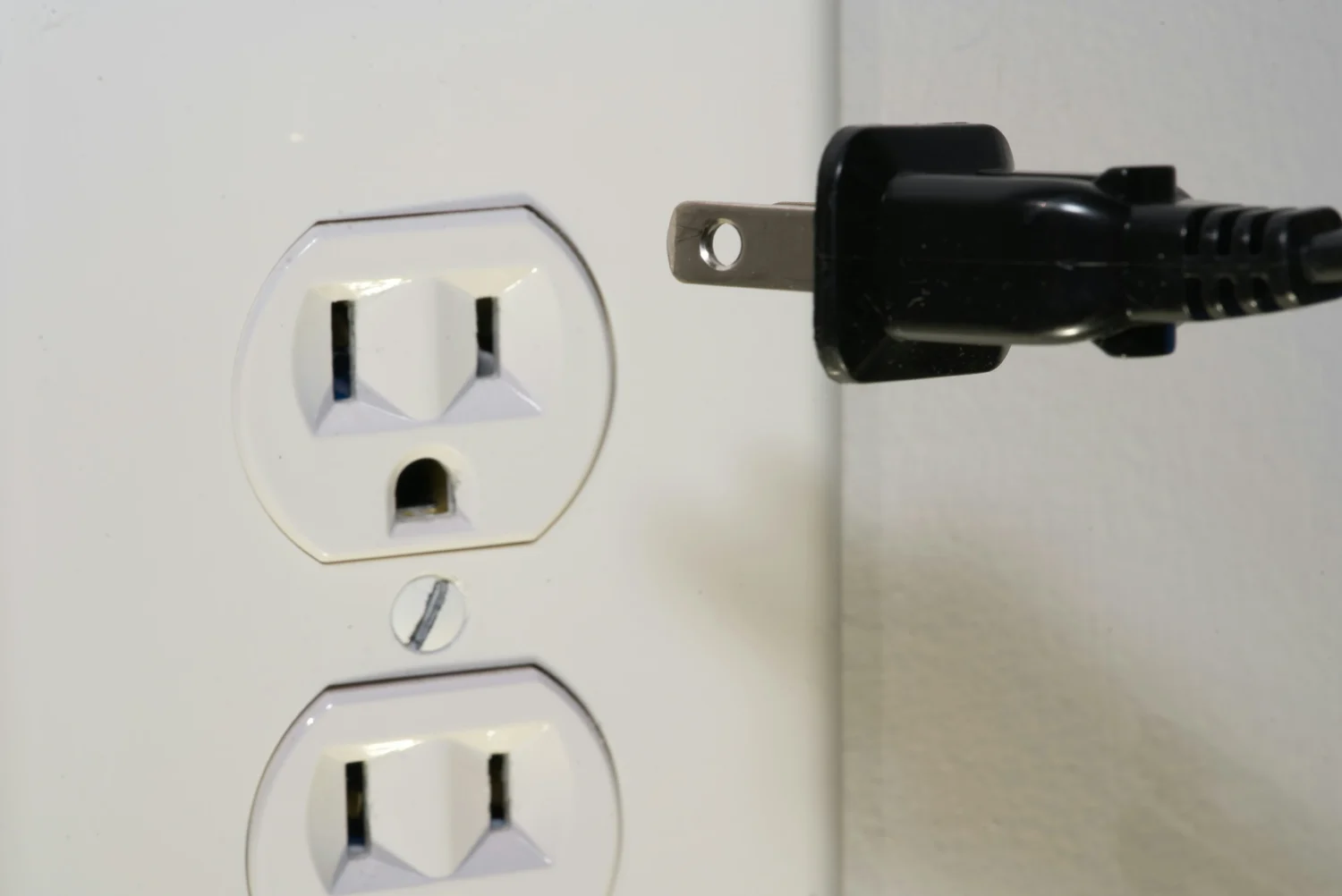
The 6 Steps to Install An Electrical Outlet
If you’ve been wondering how to put an electrical outlet safely and correctly, you’re not alone—especially if you’re upgrading your home or trying to avoid extension cords. But before you dive into DIY electrical work, it’s just as important to understand where to put an electrical outlet to make sure it’s both code-compliant and useful.
At PowerMeans Electric, we help homeowners across Dripping Springs install, repair, and inspect outlet placements that make life easier—and safer. In this post, we’ll walk you through six essential steps for putting in a new outlet and guide you on the best places to install them around your home.
Where to Put an Electrical Outlet
Before you start drilling or cutting drywall, ask yourself: is this the right place for a new outlet?
Here are some quick guidelines based on the National Electrical Code (NEC):
-
Outlets should be placed every 6–12 feet along walls in living spaces
-
Outlets must be located at least every 4 feet along kitchen countertops
-
GFCI outlets are required in all wet or damp areas like bathrooms, garages, kitchens, and outdoor spaces
-
Floor outlets are great for open floor plans with furniture away from walls
-
Consider outlets near mantels, workbenches, desks, and vanities for convenience
For more on outdoor and damp location safety, check out our blog:5 Essential Reasons You Need GFCI Outlets for Outdoor Safety
Tools You’ll Need
- Voltage tester
- Screwdriver set
- Wire strippers
- Electrical box
- Romex cable (12/2 or 14/2)
- Wire nuts
- Drill with bits
- Drywall saw
Step-by-Step: How to Put an Electrical Outlet
Step 1: Turn Off the Power
Always start at the breaker box. Shut off power to the area where you’re working and verify it’s off with a voltage tester. Never assume a wire is dead.
Step 2: Choose and Cut the Opening
Now that you know where to put your outlet, trace the electrical box on the drywall. Cut it out with a drywall saw and insert an old-work box (also called a retrofit box). Ensure it’s level and flush.
Step 3: Run Cable from a Power Source
If you’re connecting to an existing outlet or switch, make sure both circuits are off. Drill through studs if needed and run Romex cable to the new location. Leave about 6 inches of cable sticking out of the box.
Step 4: Make the Connections
-
Connect black (hot) wire to the brass screw
-
Connect white (neutral) wire to the silver screw
-
Connect bare (ground) wire to the green screw
Tuck the wires back neatly into the box and secure the outlet.
Step 5: Secure and Cover
Screw the outlet into place, add the faceplate, and turn the power back on at the breaker. Test the outlet using a voltage tester or plug-in outlet tester to confirm it’s live and properly wired.
Step 6: Know When to Call a Pro
If you’re dealing with:
-
Two-prong outlets
-
Unfamiliar wiring colors
-
Aluminum wiring
-
Unclear breaker panels
-
Any outlet near water
…it’s time to bring in a professional. Poor installations to your home or business can void your insurance or cause serious electrical risks.
Need a licensed electrician? Contact us for safe, code-compliant installation.
Does It Need to Be a GFCI Outlet?
If your outlet is going in a kitchen, bathroom, garage, or outdoors, it must be GFCI-protected by code. These outlets prevent shock in damp environments—and could save your life.
📘 Learn more in:
Common Mistakes to Avoid
-
Using the wrong gauge wire
-
Forgetting the ground connection
-
Overloading the circuit
-
Putting outlets in the wrong location (too close to sinks, stoves, etc.)
-
Failing to install a GFCI where required
Avoid these issues by scheduling an electrical inspection before or after any DIY install.
Why PowerMeans Electric?
We serve Dripping Springs, Austin, Bee Cave, Lakeway, and nearby areas with expert installations and repairs. Whether you need one outlet or a full home upgrade, we provide:
-
Fast response
-
Licensed electricians
-
Clear pricing
-
Code-compliant work
-
Friendly, local service
Residential. Outdoor. GFCI. Remodel. We’ve got you covered.
When Power Means More, Call PowerMeans Electric.
Reliable. Responsive. Respectful. Every time.
Need help with this?
Our licensed electricians can handle your wiring and safety needs safely.
Have an Emergency?
Don’t risk DIY on dangerous electrical issues. We are available 24/7.
(737) 263-5823
Licensed & Insured