
Call Now

How to Wire a GFCI Outlet: A DIY Safety Guide for Homeowners
How to Wire a GFCI Outlet: A DIY Safety Guide for Homeowners
If you’re a homeowner in Hays County or Travis County, Texas, learning how to wire a GFCI outlet can be a smart and cost-effective electrical safety upgrade. Whether you live in Austin, Dripping Springs, Buda, Kyle, Lakeway, Bee Cave, or Wimberley, GFCI outlets are required in many areas of your home — especially where moisture is present.
With the outdoor kitchens, lake properties, detached garages, and patio spaces common throughout Central Texas, proper GFCI protection is critical. Before starting a DIY electrical project, it’s important to understand local code requirements, installation best practices, and when it’s safer to call a licensed electrician like PowerMeans Electric.
If you’re unsure when a GFCI outlet is required, you can read more on our previous blog, 5 Essential Reasons You Need GFCI Outlets for Outdoor Safety in Texas Hill Country.
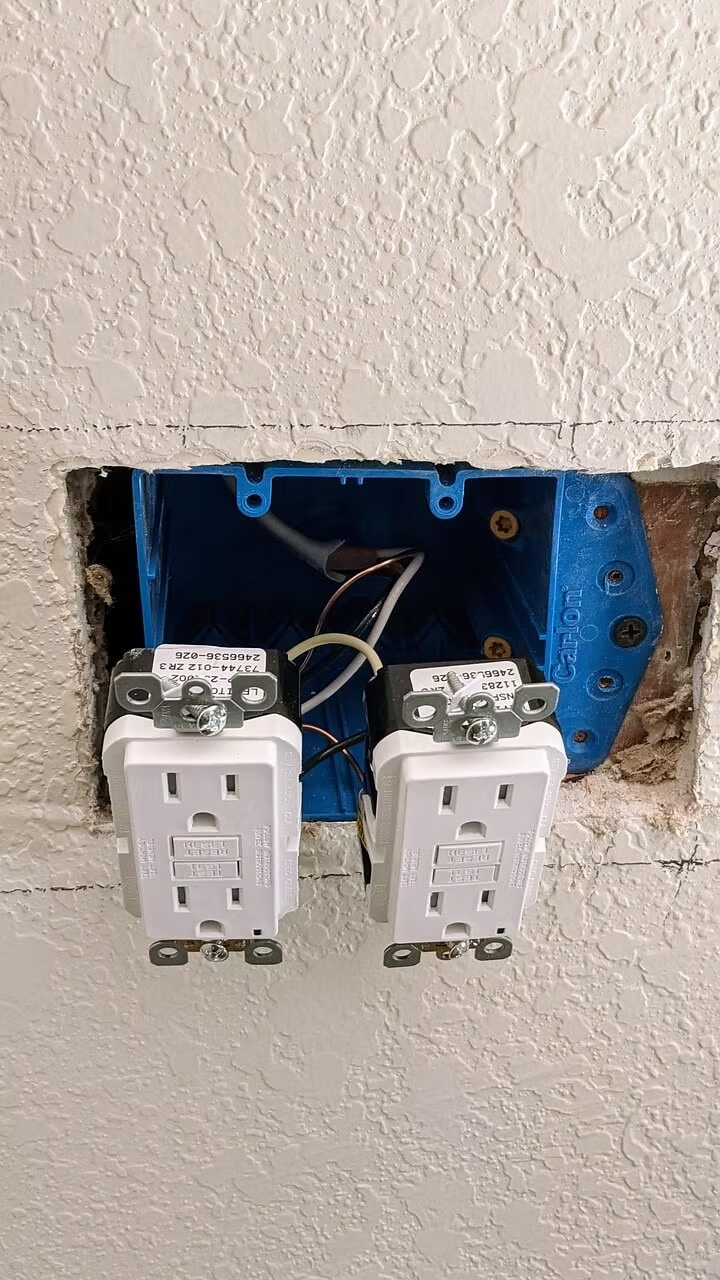
This guide explains how to wire a GFCI outlet safely, what mistakes to avoid, and when professional electrical service is the better option.
What Is a GFCI Outlet and Why Is It Required?
A Ground Fault Circuit Interrupter (GFCI) outlet protects people from electrical shock. It monitors the current flowing between the hot and neutral wires. If it detects even a small imbalance — such as electricity flowing through water or through a person — it shuts off power instantly.
In Texas homes, GFCI outlets are required by the National Electrical Code (NEC) in:
- Bathrooms
- Kitchens
- Garages
- Laundry rooms
- Outdoor outlets
- Pool and spa areas
- Workshops and accessory buildings
Because homes in the Texas Hill Country and Austin metro area often experience high humidity, heavy rains, and outdoor exposure, GFCI protection plays a vital role in preventing shock hazards.
Step 1: Verify Local Electrical Code Requirements in Hays and Travis County
Both counties follow the National Electrical Code, but cities such as Austin and Dripping Springs may enforce additional amendments or permit requirements.
Before replacing or installing a GFCI outlet:
- Confirm whether a permit is required (especially if adding a new outlet or circuit)
- Determine if AFCI protection is also required
- Ensure your electrical panel is up to current safety standards
- Verify proper grounding is present in the outlet box
If you’re unsure about compliance, consulting a licensed electrician familiar with Central Texas inspections can prevent costly corrections later.
Step 2: Turn Off Power and Confirm It Is Off
Electrical safety should always be your top priority.
Before touching any wiring:
- Turn off the breaker controlling the outlet
- Use a non-contact voltage tester to confirm power is off
- Double-check with a multimeter if available
In many homes across Kyle, Buda, and older Austin neighborhoods, breaker panels may be mislabeled due to remodels or additions. Never rely solely on panel labeling.
If you cannot confidently verify the circuit is de-energized, stop and contact a professional electrician.
Step 3: Correctly Identify LINE and LOAD Terminals
One of the most common DIY mistakes when wiring a GFCI outlet is reversing the LINE and LOAD connections.
- LINE terminals bring power into the GFCI
- LOAD terminals provide protection to downstream outlets
If these are reversed:
- The outlet may not reset
- Other outlets may not be protected
- The device may appear functional but fail to provide protection
If multiple cables are inside the electrical box, identifying the correct LINE wires requires testing and electrical knowledge. Incorrect wiring is one of the top reasons homeowners in Hays and Travis County call PowerMeans Electric for troubleshooting.
Step 4: Inspect for Aluminum Wiring or Overcrowded Boxes
Many Central Texas homes built between the 1960s and 1980s may contain:
- Aluminum branch wiring
- Shallow electrical boxes
- Missing or compromised ground wires
- Aging insulation
If you encounter aluminum wiring, do not proceed. Aluminum requires specialized connectors and installation techniques to reduce fire risk.
GFCI outlets are larger than standard receptacles. If the box is overcrowded, it may violate code and create overheating concerns. A licensed electrician can safely upgrade the box if needed.
Step 5: Special Considerations for Outdoor GFCI Outlets
Outdoor installations in Hays County and Travis County require extra protection due to heat, humidity, and storms common in the Texas Hill Country.
For exterior GFCI installations:
- Use weather-resistant (WR-rated) GFCI outlets
- Install an in-use (bubble-style) cover
- Ensure the electrical box is rated for exterior use
- Properly seal all openings to prevent moisture intrusion
Improper installation can lead to corrosion, nuisance tripping, or long-term damage to your electrical system.
Step 6: Test the GFCI Outlet After Installation
After wiring the outlet:
- Restore power at the breaker
- Press the RESET button
- Plug in a GFCI tester
- Press the TEST button to confirm it trips properly
- Check downstream outlets if connected to the LOAD side
If the GFCI will not reset or trips immediately, there may be:
- A wiring error
- A ground fault
- A shared neutral issue
- Moisture in the circuit
Do not repeatedly reset a tripping GFCI without identifying the cause.
When to Call PowerMeans Electric in Hays or Travis County
DIY GFCI outlet replacement may be manageable for experienced homeowners. However, professional electrical service is recommended if:
- You are unsure about LINE vs. LOAD wiring
- The breaker does not shut off power completely
- You encounter aluminum wiring
- The outlet box is damaged or overcrowded
- The GFCI will not reset
- You are adding a new circuit
- A permit or inspection is required
- Your electrical panel is outdated or overloaded
Hiring a licensed electrician ensures:
- Code-compliant installation
- Safe and secure connections
- Proper grounding
- Long-term reliability
- Protection of your home investment
Electrical mistakes can lead to shock hazards, fire risks, and insurance complications — particularly in rapidly growing communities like Austin, Buda, and Dripping Springs where inspections are strictly enforced.
Final Thoughts
Knowing how to wire a GFCI outlet can help homeowners in Hays County and Travis County improve safety in moisture-prone areas and outdoor living spaces common in Central Texas homes.
However, electrical work demands precision and experience. If you encounter anything confusing or unexpected, contacting PowerMeans Electric ensures the job is completed safely, professionally, and in compliance with local electrical codes.
Protecting your home and family is always worth doing the right way.
Frequently Asked Questions About Wiring a GFCI Outlet in Texas
Do I need a permit to replace a GFCI outlet in Hays or Travis County?
In most cases, replacing an existing outlet with a GFCI does not require a permit. However, adding a new outlet or circuit may require a permit and inspection depending on your local municipality.
Can I install a GFCI outlet without a ground wire?
Yes. A GFCI outlet can be installed without a ground wire, but it must be labeled “No Equipment Ground” and meet NEC requirements.
What happens if LINE and LOAD wires are reversed on a GFCI?
If reversed, the outlet may not reset or may fail to provide proper protection. This creates a serious safety concern and should be corrected immediately.
Why does my GFCI outlet keep tripping?
Frequent tripping may indicate a ground fault, moisture intrusion, faulty wiring, or a problem elsewhere on the circuit. Persistent issues should be evaluated by a licensed electrician.
Where are GFCI outlets required in Texas homes?
GFCI outlets are required in bathrooms, kitchens, garages, outdoor areas, laundry rooms, pool areas, and other locations where water exposure is possible.
When should I call a licensed electrician instead of doing it myself?
You should call a professional if you encounter aluminum wiring, overcrowded boxes, breaker panel concerns, repeated tripping, or if you are unsure about safe wiring practices.
Need help with this?
Our licensed electricians can handle your wiring and safety needs safely.
Have an Emergency?
Don’t risk DIY on dangerous electrical issues. We are available 24/7.
(737) 263-5823
Licensed & Insured